
WIP exists in any work context where value delivery is segmented into stages. Whether it's a marketing agency, a development team, a hospital, etc., everyone has stages, and everyone has WIP.
WIP is the acronym for Work In Progress, it is the term used to define partially completed work.
WIP refers to all actions that have already been initiated but not yet completed. And if you're curious about practical applications, this article is for you.
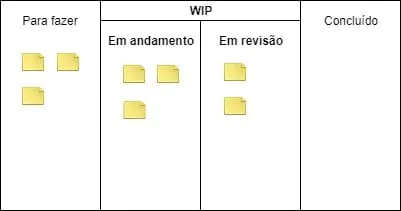
Imagine a process with the steps: “to do”, “in progress”, “under review”, and “done”.
WIP is represented by the in progress and under review columns, as these are the phases currently underway. In other words, in the example above, our total WIP is 5.
Measuring WIP allows stakeholders to know how much work has been started but not yet completed, meaning it is not yet ready to be delivered or used.
Having a long Work In Progress will result in wasted productive hours without immediate return, decrease accuracy due to waiting time, and negatively impact productivity indicators.
That's why it's important to limit the number of activities in progress. In other words, having a WIP limit will make the process cheaper, simpler, and more agile. Let's see why.
By measuring WIP, it's possible to determine how much money is tied up. All production involves the use of raw materials and time (hours) to deliver value. Whether developing a product or a service, resources are invested to transform it into something valuable that can be sold.
Work in progress, and therefore unfinished, cannot yet be sold. A long WIP will lead to the accumulation of production in which resources have been invested, but it is not possible to realize profit from the sale.
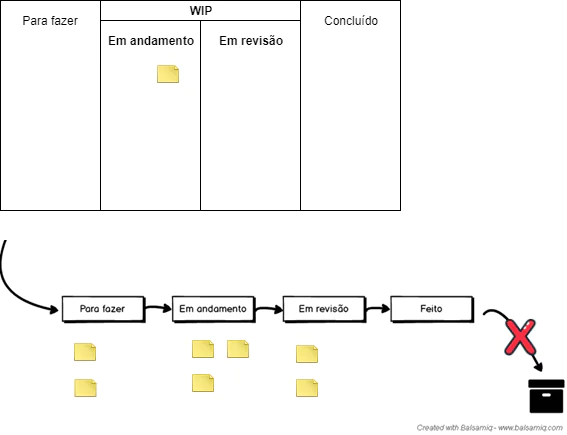
To achieve a short WIP, you can “break” larger deliveries into smaller ones and limit the amount of activities in progress.
Setting a WIP limit allows you to focus on delivering activities and avoid multitasking (performing multiple activities at the same time).
It turns out that no one is capable of performing several activities at the same time, and before you think: “I know several people who do several things at the same time”, in reality what they do in practice is quickly switch between activities and this brings losses.
In addition to context switching decreasing productivity, performing multiple tasks simultaneously decreases perception and the sense of completeness of things.
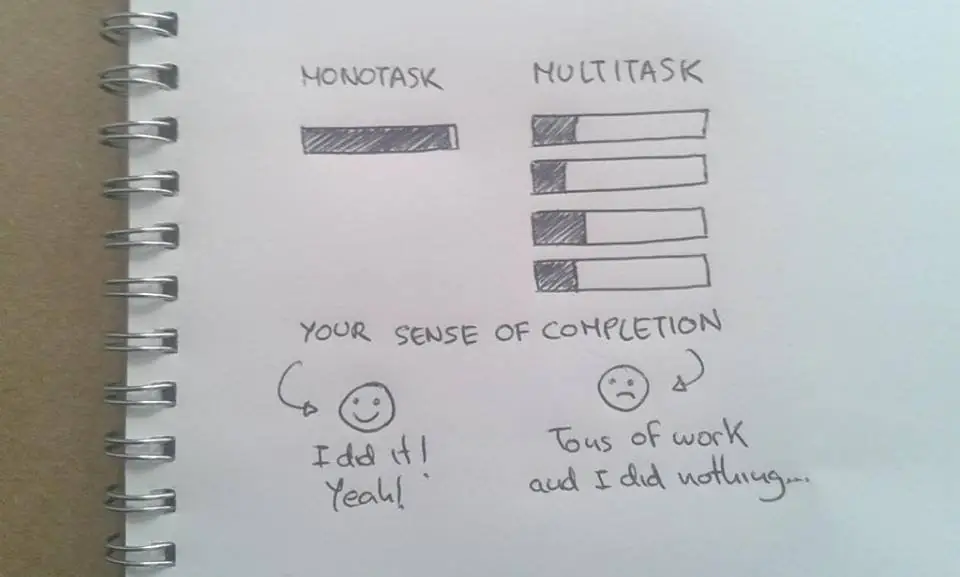
Allowing only a specific amount of WIP means protecting your team from the pitfalls of multitasking.
When a team limits WIP, it's impossible to start something before something else is finished. WIP helps avoid waste. For example, instead of having six half-finished items and none completed, have two completed items and two in progress.
This practice allows the manager to identify bottlenecks in a process, and thus promote improvements.
With the concept of limited WIP, before starting new things, activities must be completed. Limits can be expressed in each column of the process.
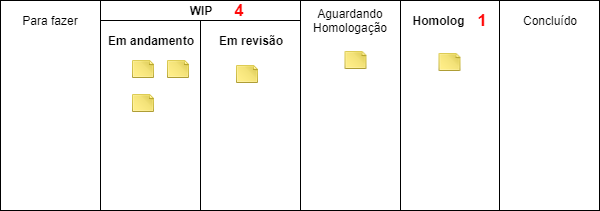
The “in progress” and “review” columns together have a WIP of 4, and the validation column has a WIP of 1.
Practices like this will bring the perception of continuous delivery and reduced context switching.
Now you might be wondering: how can I speed up my company's work in progress (WIP)? What practices can I adopt to speed up my WIP?
Agile methodologies are an alternative to traditional project management. They originated in software development teams, but they can be applied to any context. Agile methodologies help teams deal with unpredictability, incremental delivery, and continuous improvement cycles, all of which benefit WIP.
Kanban is an agile methodology that can help you achieve a short and efficient Work In Progress (WIP). The same applies to Scrum.
There is no standard number for WIP, each team/company needs to evaluate its context and define the limits of work in progress.
It is important that the limit is defined as a team, as it not only reduces resistance and increases the commitment of those involved, but also allows for other points of view that are fundamental for defining how much WIP the team will have at a time.
Remember: agreeing up front saves trouble later.
No process is so good that it cannot be improved, just as no process is so bad that it cannot be used.
Reviewing your process periodically will allow you to identify improvements and developments that will help speed the movement from in-progress to completed items.
Limits can also be revised every time new people are added or removed from the team or new technologies are introduced.
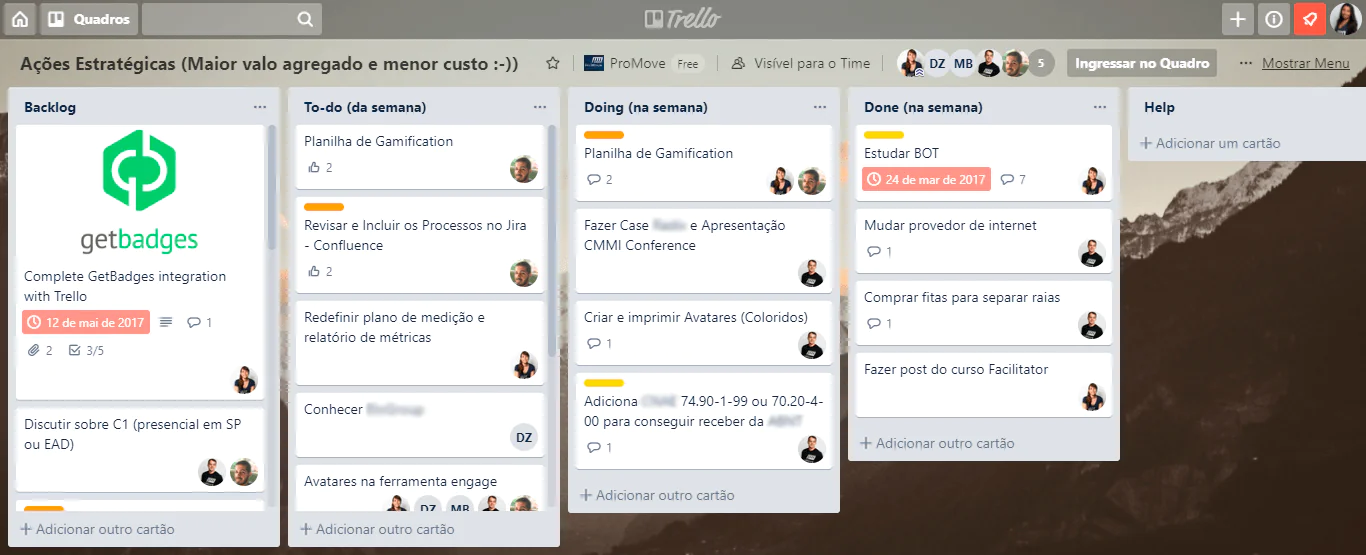
Using software like Trello will allow your team to track demands at each stage of the process and respect WIP limits.
Trello is a great solution that uses the Kanban methodology and allows teams to create boards for process management. Adherence to deadlines will be encouraged through more collaborative work. With just a few clicks, managers can create lists divided into cards, which can then be distributed to the entire team.
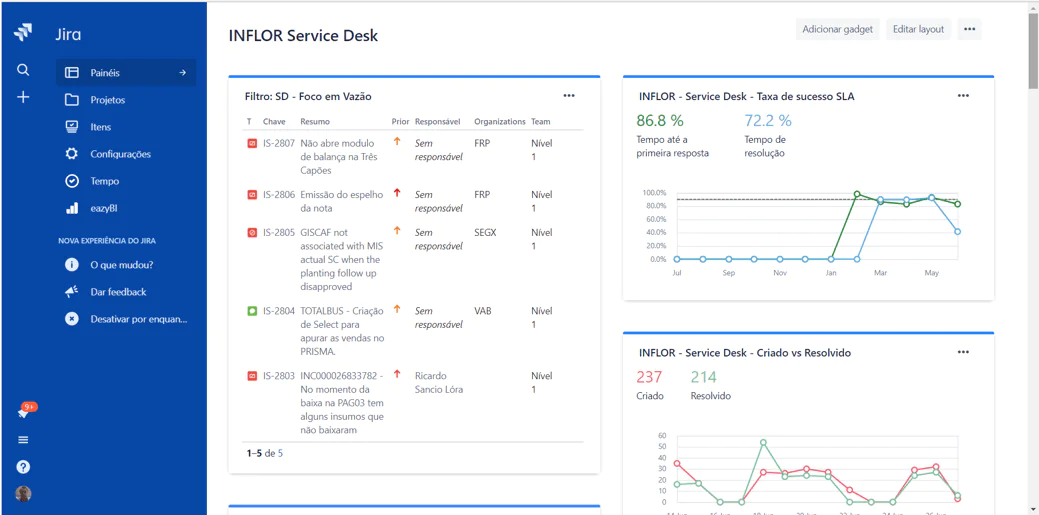
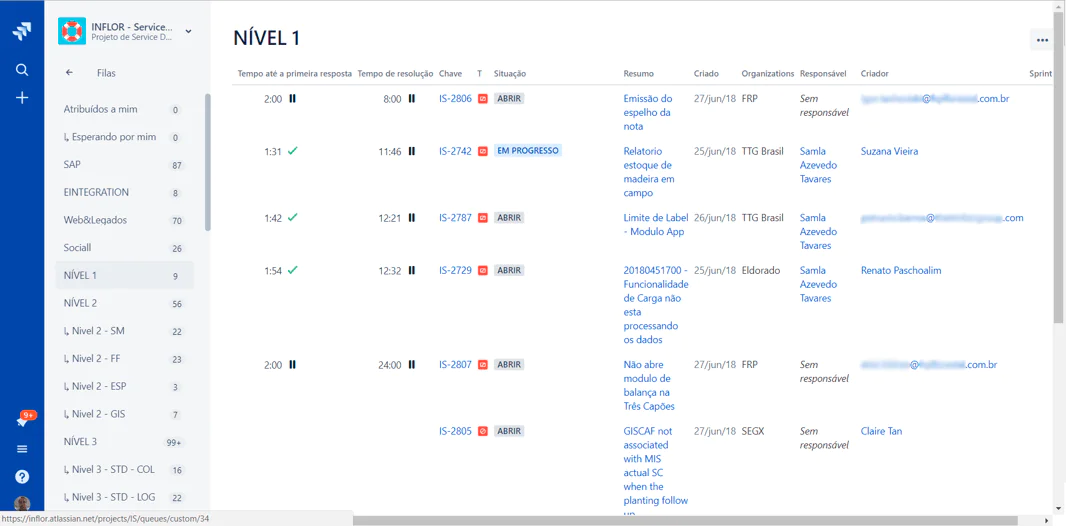
There are several other solutions that can also help you, some of them even highlight the time that activities spend in each phase of the process, so it is possible to better identify the throughput and how much WIP becomes completed in a cycle, or how much WIP is in progress, as is the case with Jira Software.
Keep in mind the importance of measuring WIP and making it short and efficient to avoid having “money sitting idle” in your production cycle.
Ensuring that ongoing work flows smoothly requires coordinating people, processes, and technology for agile and continuous delivery. Promove works to help companies improve the way they deliver services.
Send me an email (author's email address) and find out how your company can have:
We can discuss the options available and how Promove can help you. Or, if you prefer, leave a comment here on the blog!


Statistical process control is the set of techniques that measures how a process behaves over time, separating fluctuations...
CMMI AIM (Artificial Intelligence Maturity) is the framework for...





Be the first to comment!