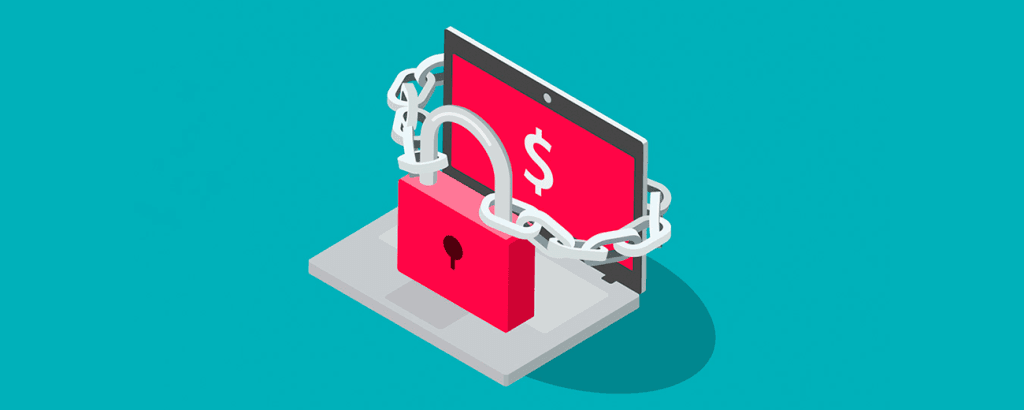
With digital transformation and constant technological innovations, cybersecurity is no longer an issue exclusively for IT professionals. The constant ransomware attacks that have been occurring in recent years have raised alarms in the corporate world.
Despite the popularization of these terms, there are still many doubts about the risks and, above all, how to protect yourself.
Ransomware is a type of malware that blocks users from accessing their accounts, personal files, or systems, a form of “digital kidnapping.”
Hackers infect all devices connected to the network, often encrypting files, preventing their use, and demanding a ransom to release access.
Cybersecurity is based on two main pillars: technological infrastructure and behavioral adaptation. Investing in improved protection technologies is pointless without educating users about the risks.
While it's obvious, the best way to protect yourself from ransomware is to prevent it from occurring. Investing in real-time protection programs is essential. Some anti-exploit technologies can protect vulnerable programs.
The foundation of any basic security system is a good antivirus and a firewall. These should be used in their professional versions, which do not have the gaps and intermittency present in the free versions.
As we've already mentioned, user awareness is essential, but a specific security system for emails is indispensable, as they are, in most cases, the gateway for ransomware.
A key resource that can save company data is the use of secure backups. Create a backup routine to ensure your files are safer.
In the event of an attack, the most important thing is to not give in and pay the ransom. There's no guarantee that criminals will return your data after payment. Ideally, seek out specialized professionals who can assist you in recovering your data.
There is the possibility of using decryptors or some security product, in both cases it is not guaranteed that the files will be recovered, but the infection will be eliminated.
As we've already said, the best strategy will always be to avoid an attack, but it's important to develop a Disaster Recovery plan, anticipating situations in which data and information will be put at risk.
This way, during an attack, it will be possible to contain the threat, preventing it from spreading across the network and causing irreversible damage.


Statistical process control is the set of techniques that measures how a process behaves over time, separating fluctuations...

CMMI AIM (Artificial Intelligence Maturity) is the framework for...



Be the first to comment!